
The Wellness Kitchen: Ingredients and Techniques
Your kitchen is the most powerful tool you have for managing your vitality. Choosing the right ingredients and using precise preparation methods can significantly improve the nutritional value of your meals. This guide provides a roadmap for stocking an Indonesian kitchen that supports long-term wellness.
Selecting Fresh
Local Produce
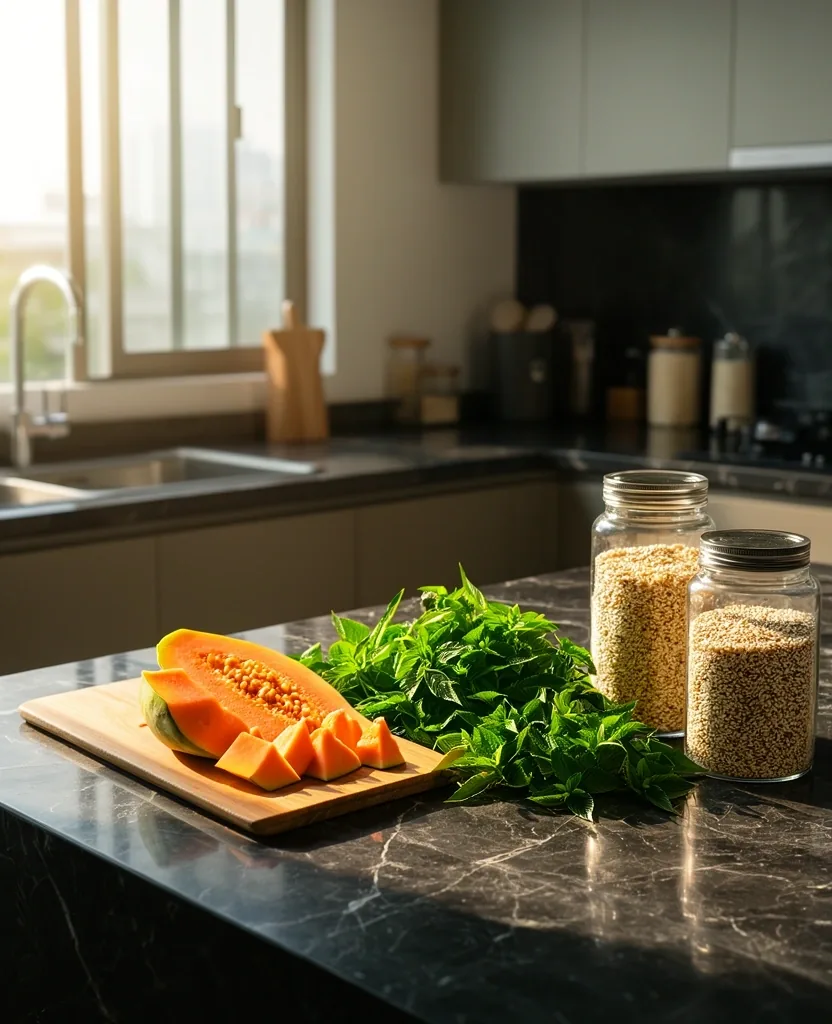
Jakarta's traditional markets and modern grocers offer an abundance of ingredients that are foundational to nutritional awareness. Focus on seasonal fruits and vegetables to ensure you are receiving the highest concentrations of vitamins and minerals.
Greater Jakarta Area
Anti-inflammatory
Cruciferous & Leafy Staples
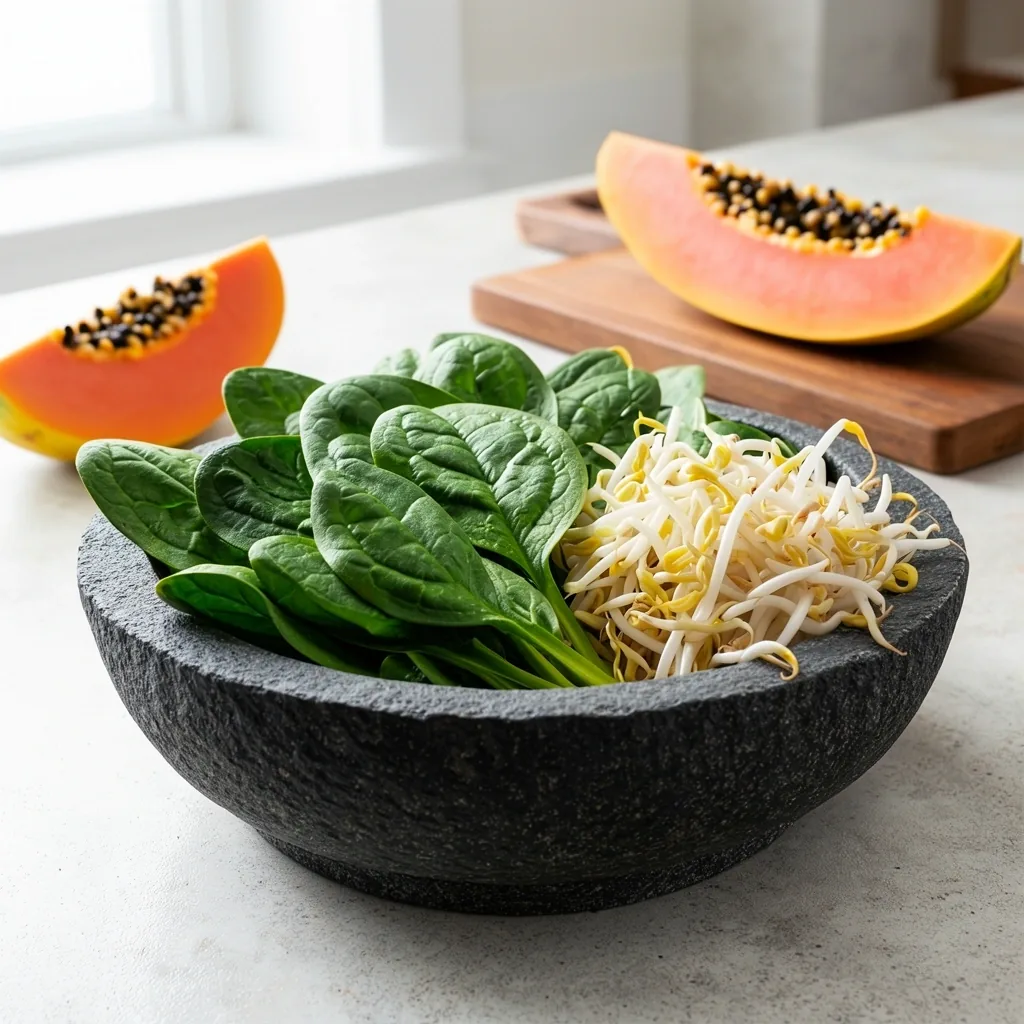
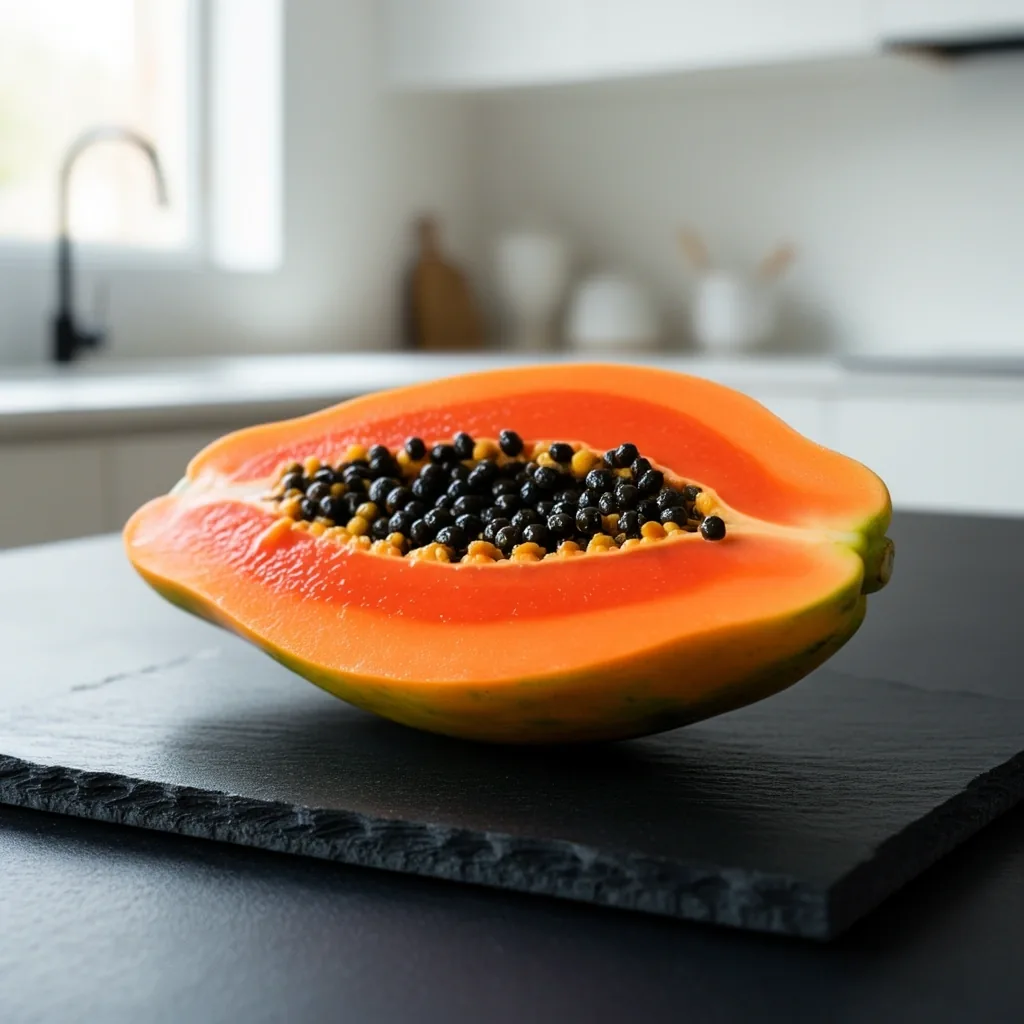
Local spinach (bayam) and various sprouts should be staples in your pantry. These are high in folate and fiber, which are essential for systemic balance. Seasonal papaya provides enzymes that support digestion, facilitating better nutrient absorption from your meals.
The Tropical Vitamin Shield
Incorporating local favorites ensures freshness and supports regional agriculture. We recommend sourcing from vendors who prioritize organic or low-intervention farming to reduce exposure to chemical residues while maximizing the antioxidant profile of your diet.
Preservation Through Precision
Steaming & Sautéing
Steaming and lightly sautéing are superior to deep-frying. High heat can destroy sensitive vitamins and create harmful compounds in oils. Learning to steam vegetables and poach proteins preserves their natural goodness.
Spice Pastes (Bumbu)
Turmeric, ginger, and garlic are more than just flavorings; they have potent wellness properties. Traditional Indonesian spice pastes prioritize health by incorporating these roots daily to help manage inflammation.
Healthy Oil Management
Switching from refined palm oil to extra virgin olive oil for cold uses and coconut oil for light cooking improves your lipid profile. Understanding smoke points is critical for meal prep.
Grain Selection: Moving Beyond White Rice
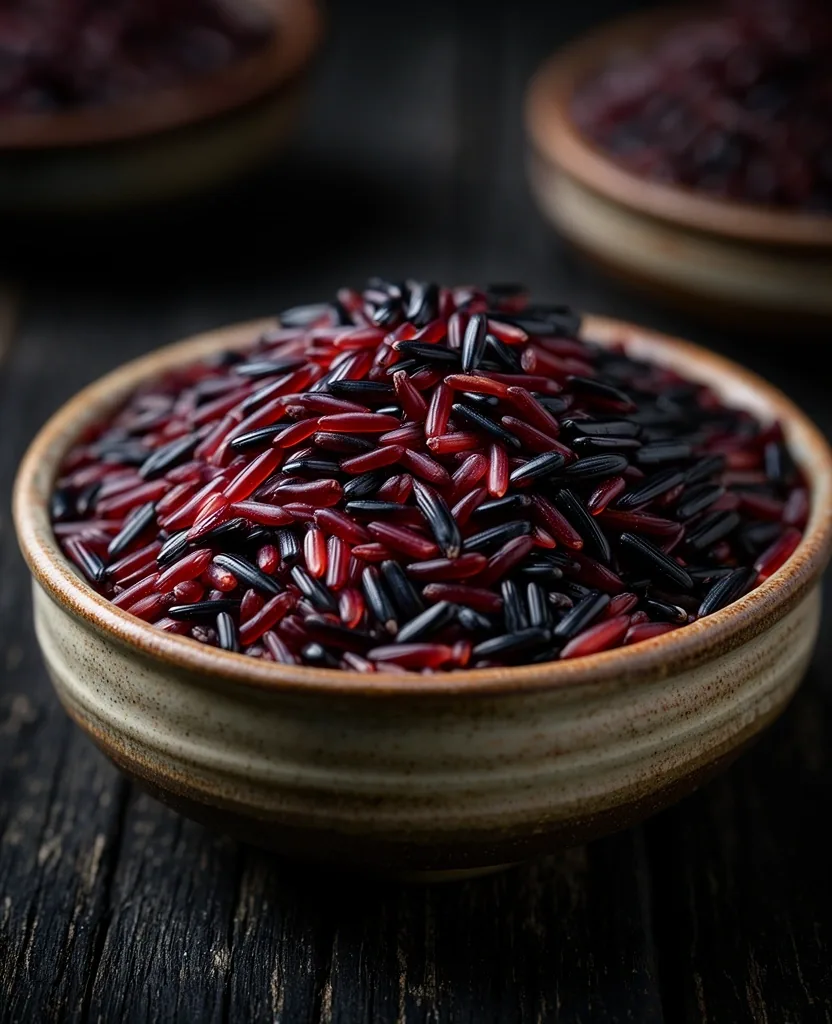
Red rice, black rice, and sorghum are traditional Indonesian grains that offer more fiber and minerals than polished white rice. These "ancient grains" of the archipelago provide sustained energy levels and support glycemic balance, which is vital for maintaining a healthy weight and metabolic function.
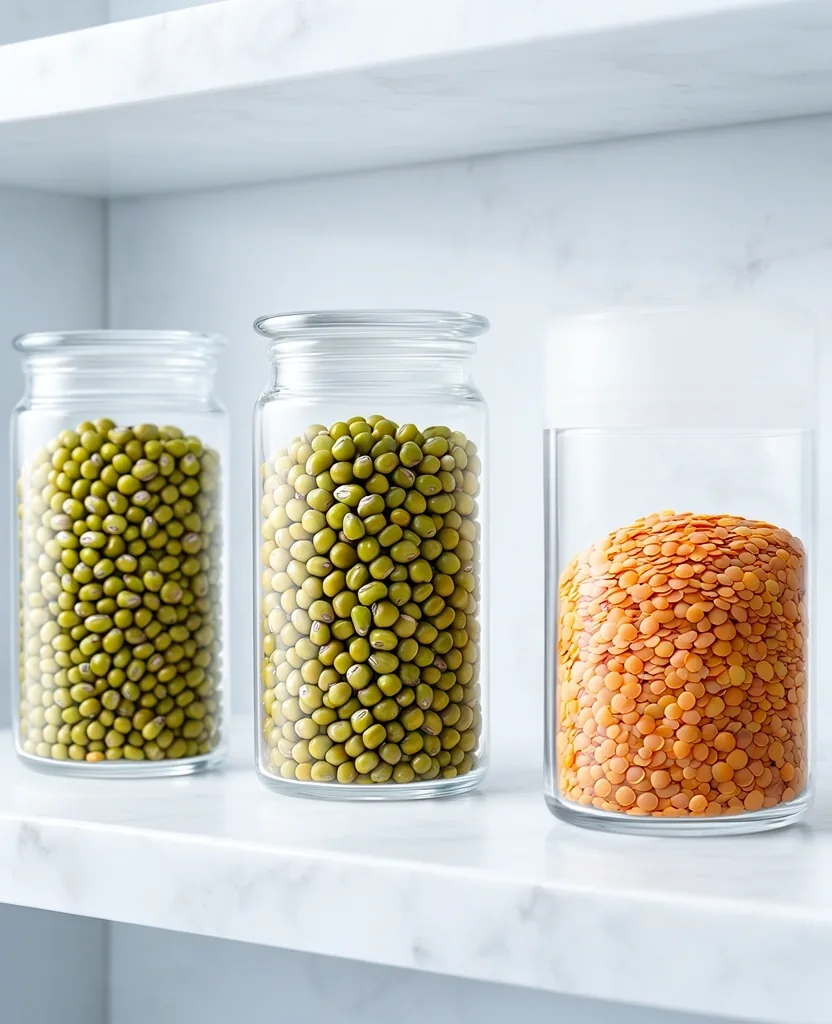
Gradually mixing these into your meals can improve satiety. Furthermore, we emphasize the role of legumes. Lentils, chickpeas, and local beans like mung beans (kacang hijau) are excellent sources of plant-based protein. They are budget-friendly and versatile additions to a nutrient-dense kitchen.
Pro-Tip: Soaking & Sprouting
Soaking and sprouting legumes before cooking makes them significantly more digestible and nutrient-rich. This simple step neutralizes phytic acid, allowing your body to better absorb essential minerals like zinc and iron.
The Refined Palette: Reducing Sugar and Salt
Processed seasonings often contain hidden sugars and excessive sodium. Shifting your flavor profile toward natural acidity and fresh aromatics is one of the most effective lifestyle habits you can adopt.
Natural Seasoning Alternatives
-
Use fresh lime juice and vinegar to brighten flavors without sodium.
-
Substitute white sugar with small amounts of coconut sugar or natural fruit purees.
-
Leverage umami from mushrooms and seaweed instead of artificial enhancers.
Smart Storage Solutions
Properly storing produce prevents nutrient degradation. We provide practical advice on which vegetables should be refrigerated—like leafy greens in damp cloths—and how to keep herbs fresh for longer in glass jars of water.
Waste Reduction
Reducing food waste ensures you always have healthy ingredients on hand. In Jakarta's humid climate, moisture control is key. Proper sealing and container selection can extend the shelf life of your wellness staples by up to 50%.

Start Your Nutritional
Journey Today
Join our community of wellness-conscious men in Indonesia. Receive seasonal recipes, kitchen hacks, and the latest nutritional insights delivered directly to your inbox.
Editorial Integrity
The information provided on Prostate Care Nutrition is for educational purposes only. Our content focuses on wellness habits and nutritional support through dietary patterns. All food preparation advice is grounded in established culinary science and whole-food principles.